
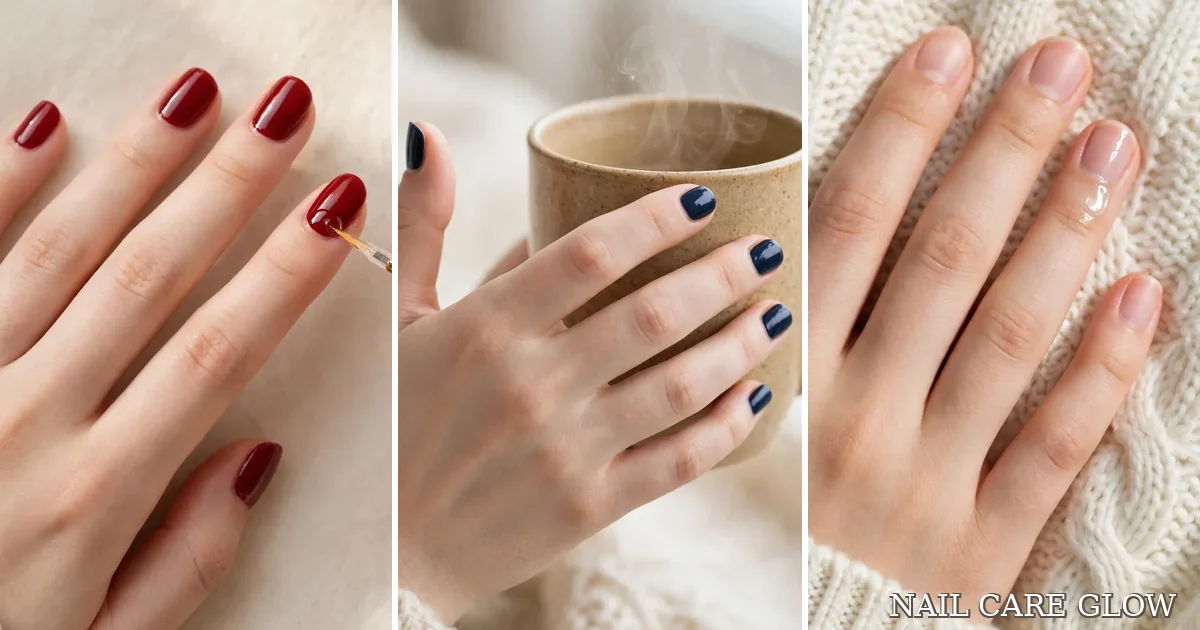
A gel manicure that lasts three perfect weeks in October often starts lifting by week two in January. Same salon, same tech, same colour family. The reason is simple — it is not the gel that changed, it is the weather. Cold air, dry indoor heat, hot water, gloves, hand sanitizer, and wool sleeves all work against a gel manicure in ways summer never does.
As an Amazon Associate I earn from qualifying purchases.
So this is not a general polish-care list. Every tip below is gel-specific, and deliberately different from general advice for regular polish, because gel fails differently: it does not just chip, it lifts, it shrinks with a dry nail plate, and once water gets under a lifted edge it keeps travelling. If you wear gel through winter, these are the eight habits that actually move the needle. For the expert version of the same logic, Byrdie’s gel manicure guide notes that gel typically lasts up to three weeks, that prep and removal matter more than the product, and that cuticle oil between appointments is one of the simplest ways to keep natural nails strong under gel.
Tip 1: Oil Your Cuticles Every Single Day
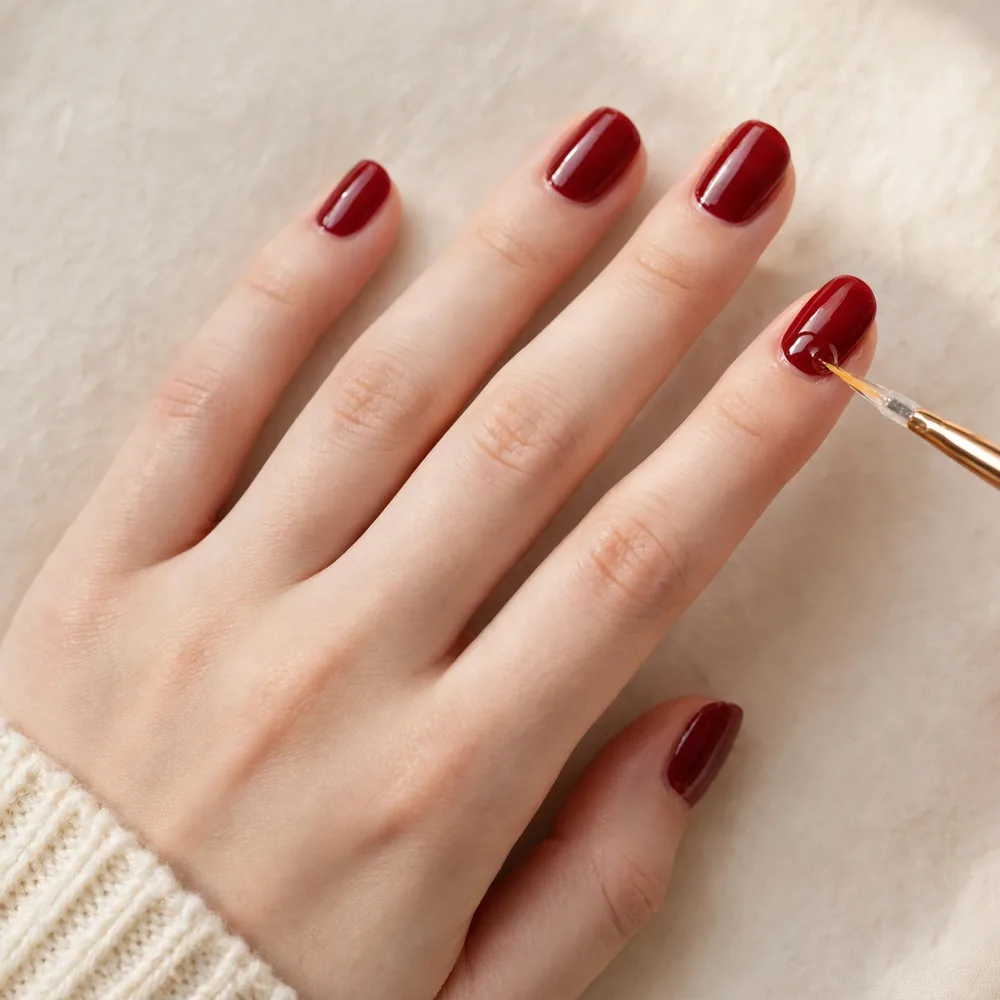
If you only keep one tip, keep this one. In winter your nail plate dries out and actually shrinks slightly, and a rigid gel layer on a shrinking nail is a lifting accident waiting to happen. A drop of cuticle oil massaged around each nail every night — and again after washing your hands, when you remember — keeps the nail flexible underneath the gel, so the gel moves with the nail instead of pulling away from it. Keep one bottle by your bed and one in your bag, because the bottle you cannot reach is the bottle you will not use. Oil goes on top of cured gel, never before an appointment, where it would stop the gel bonding at all.
Tip 2: Refresh the Top Coat Every Few Days

Gel top coat is your manicure’s weatherproofing, and in winter it takes a beating from sleeves, gloves, and hot water. Every three or four days, brush one thin layer of a regular clear top coat over the gel — including across the very tip, which seals the free edge where wear starts. It takes two minutes, it brings back that just-done gloss, and it fills the tiny micro-scratches that would otherwise turn into chips. Twice a week, for example on Sunday and Wednesday evenings, is plenty, and it is the cheapest insurance a gel manicure has. Do not layer it thick; one thin coat, fully dry, is the whole trick.
Tip 3: Wear Gloves for Dishes, Cleaning, and Cold

Hot water and cleaning chemicals are gel’s two worst enemies in winter, and they usually arrive together at the kitchen sink. Wear rubber gloves for every wash-up and every clean, with thin cotton liners underneath in cold weather so your hands do not sweat inside the rubber. The same goes outdoors: proper warm gloves before you step out, not just for comfort but because a freezing nail plate contracts and a warm one expands, and that cycle loosens gel at the edges. The simplest winter habit is also one of the best — gloves on before the coat comes off the hook, every single time.
Tip 4: Book Fills Every 2 to 3 Weeks, Never Stretch to 4

In summer you can sometimes push a gel set to four weeks and get away with it. In winter, do not try. By week three the regrowth gap is a lever: every catch on a sleeve or glove pulls at the whole gel layer, and the longer the gap, the more leverage. Booking fills every two to three weeks keeps the seal close to the cuticle, lets your tech check for early lifting before water gets underneath, and honestly costs less than one emergency repair and a full removal. Put the next appointment in the diary before you leave the salon — future you, in a snowstorm, will not book it otherwise.
Tip 5: Keep the Length Practical for Winter Life

Long gel nails in winter are a liability in a way they are not in summer. They catch on chunky knits, glove linings, coat pockets, and car doors, and every catch is either a chip or a lift. Go one length shorter for December through February, and keep the shape slightly rounded at the corners rather than sharp square, because a rounded corner glances off a snag where a square corner hooks it. This is not giving up on pretty nails — short gel in a deep winter shade looks incredibly chic — it is choosing the length your actual winter life allows.
Tip 6: Hand Cream After Every Wash, Lukewarm Water Only
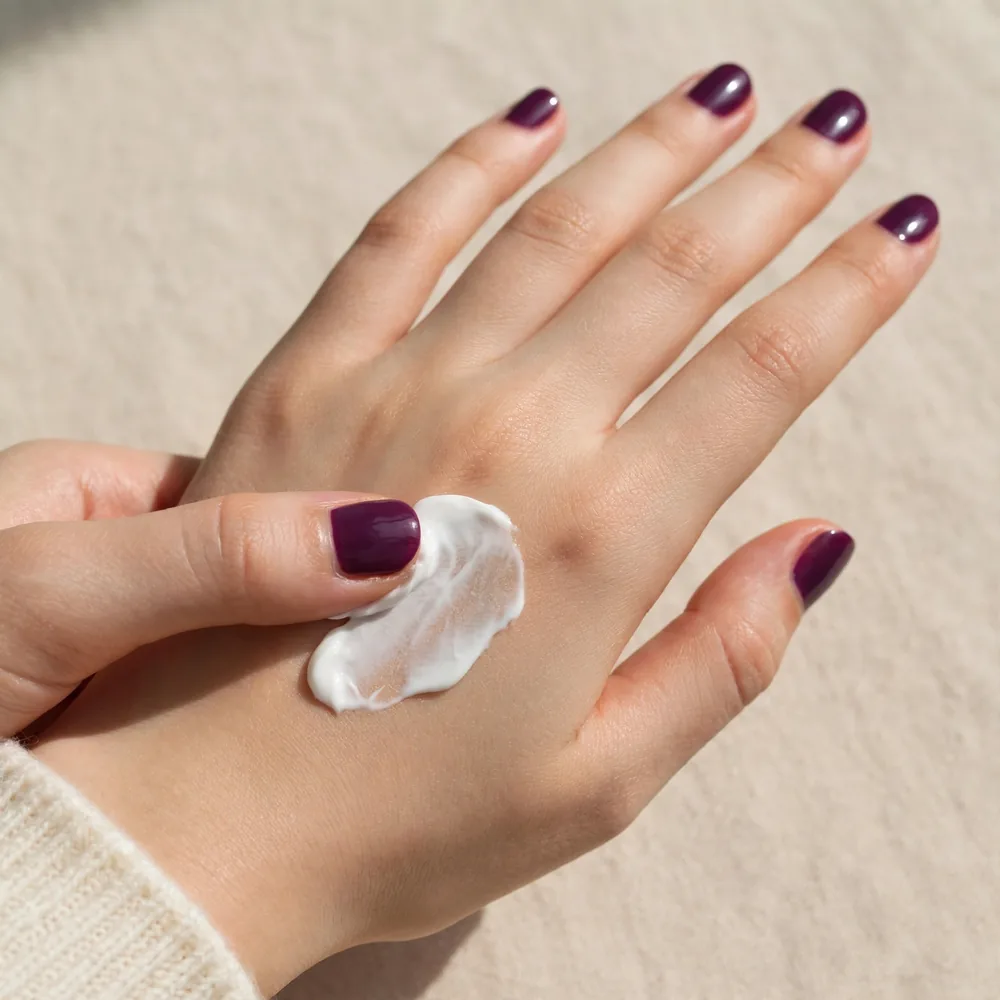
Winter means more hand washing, more sanitizer, and more dryness, and every one of those strips moisture from the nail plate under your gel. The rule is simple: hand cream straight after every wash, no exceptions, and lukewarm water instead of hot. Hot water softens gel and swells the nail plate; when it cools and shrinks again, the gel has already shifted. Keep a tube at every sink in the house, because the cream in the other room might as well not exist. Sanitizer is the same story — use it when you need it, then cream after, and never use it as a substitute for washing when your nails are freshly done.
Tip 7: Fix a Small Lift Early — Never Peel It
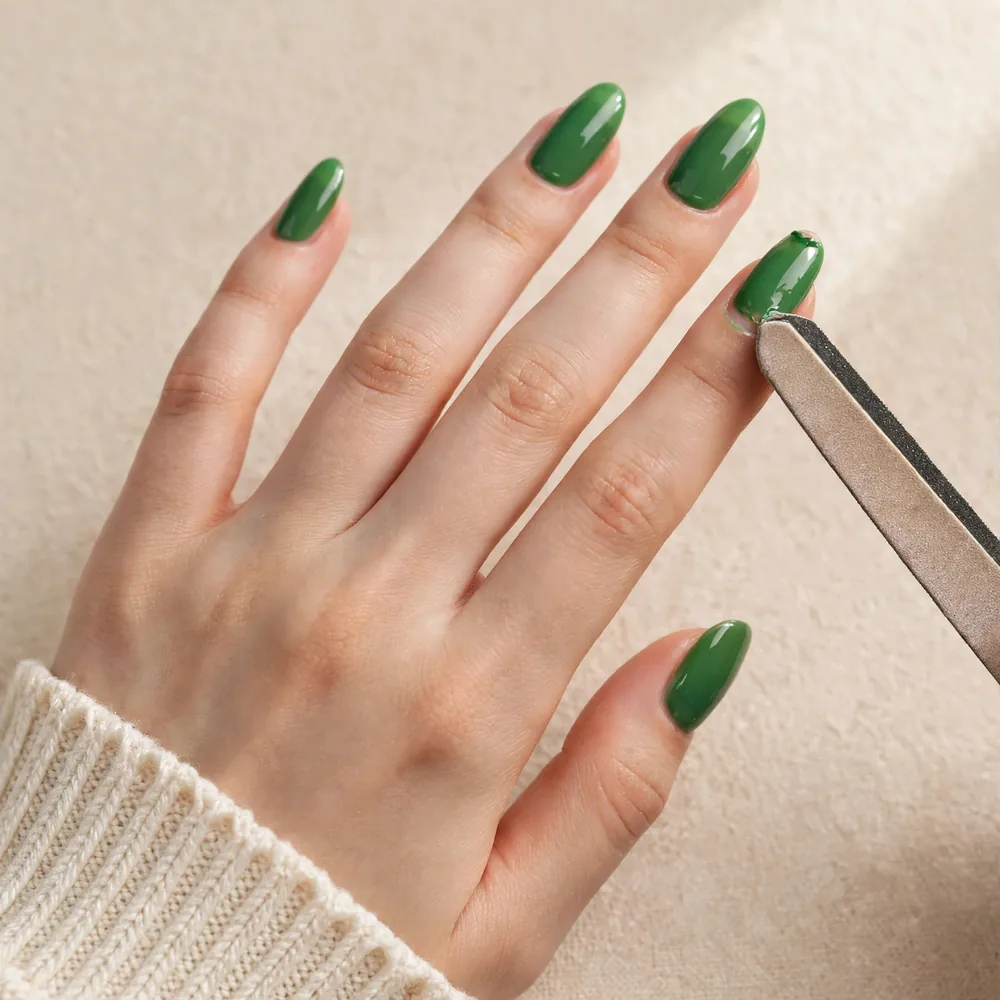
A tiny lift at the free edge is not a disaster, but it is a deadline. Left alone, water creeps underneath, the lift spreads toward the cuticle, and what could have been a two-minute fix becomes a full removal. If the lift is small and only at the tip, file it smooth, seal it with a thin layer of top coat, and keep an eye on it. If the lift is at the cuticle or the sidewalls, or the nail underneath looks discoloured or feels sore, that is a different story — that one needs a proper removal and a fresh set, because trapped moisture under gel is how problems start. And whatever you do, do not peel the lifted piece off. Peeling takes layers of your own nail with the gel, which is exactly how a small lift turns into a thin, weak nail for months.
Tip 8: Give Your Nails a Bare Break Between Winter Sets

This one feels counterintuitive when you are trying to make gel last, but it is what makes the next set last. After two or three consecutive gel sets, take at least a few bare days — oil every night, no polish, no gel — and let your nails rehydrate and recover their flexibility. Gel on an exhausted, dehydrated nail plate lifts faster no matter how good the application is, because the foundation itself is compromised. A short break resets that foundation, and the first set after a break usually outlasts one rushed straight into. Think of it as winter maintenance for the nail underneath, not time without a manicure.
More Nail Ideas You’ll Love
Conclusion
Winter gel care is really just one idea repeated eight ways: keep the nail flexible, keep the seal intact, and do not let water or cold get between the gel and the nail. Oil daily, refresh the top coat, wear gloves, fill on time, keep the length practical, cream after every wash, fix lifts early, and rest your nails between sets. None of these is dramatic on its own, but together they are the difference between a gel manicure that gives up in week two and one that still looks fresh when you walk in for your fill. That is a winter gel routine that helps January manicures finally survive.


2 thoughts on “Winter Nail Care Tips to Make Gel Last Longer”